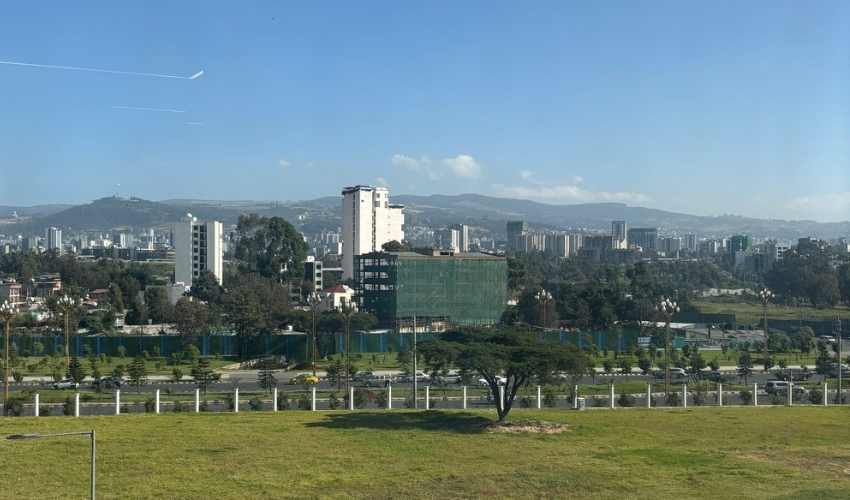
Two weeks ago we were in Ethiopia for the International Expert Meeting on Asset Return and Sustainable Development, otherwise known as Addis V, co-organised by Switzerland, Ethiopia, UNODC and StAR.
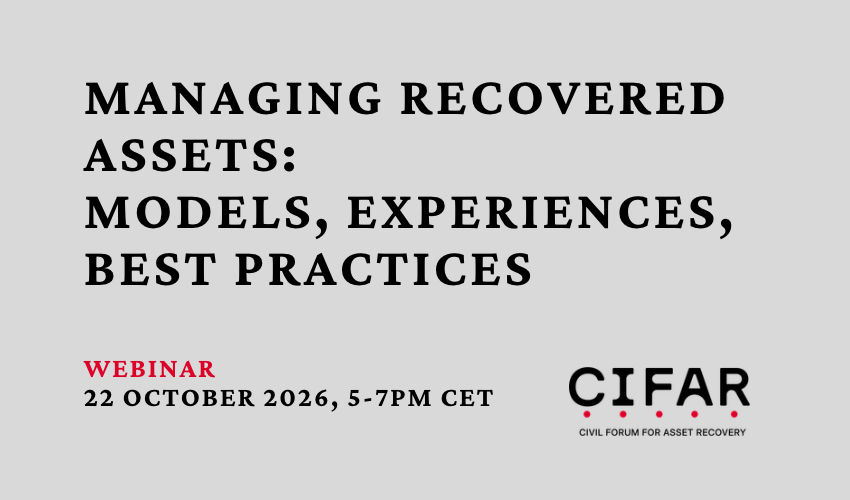
This webinar will explore different models, experiences and approaches to recovered asset management.
Our midyear Sanctions Watch update provides a snapshot of changes in anti-corruption sanction designation over the previous six months.
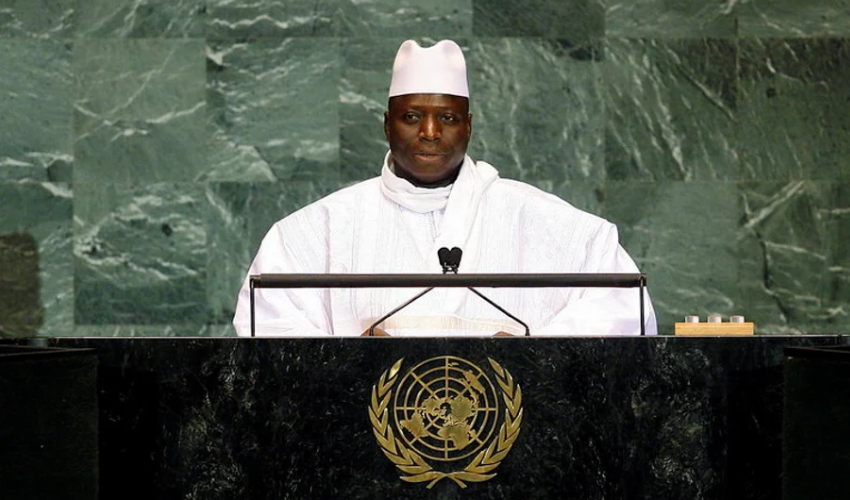
On 18 September 2026, the United States and The Gambia signed an agreement on the return of US$2,5 million from the sale of a property linked to former Gambia ruler Yahya Jammeh. Under the agreement, the funds will be used to compensate eligible victims of the Jammeh regime under The Gambia’s Victims Reparations Act, with the money transferred to the country’s Victims Reparation Fund.
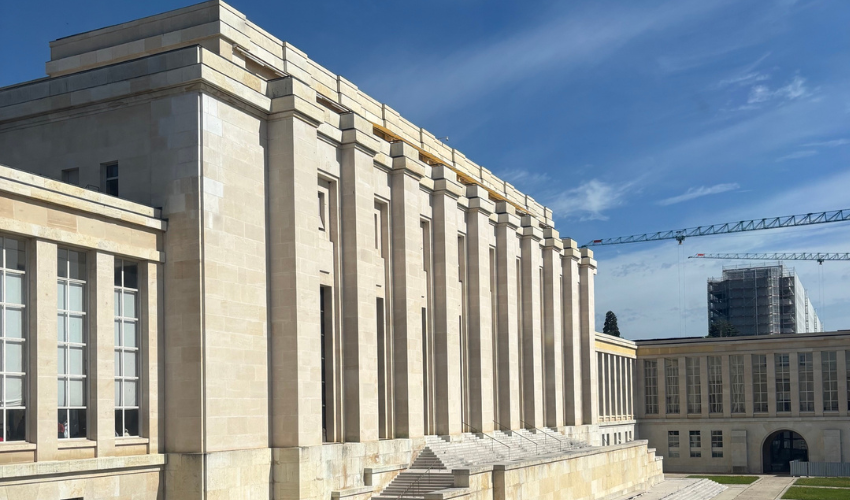
In June, we joined civil society organisations and other stakeholders in Geneva at the Office of the High Commissioner for Human Rights’ (OHCHR) expert meeting on strengthening international cooperation for the repatriation of funds of illicit origin and their use for the realization of human rights. We left that discussion with a clear message: asset recovery is not only about where stolen money goes, but also about who has been harmed and who gets a say in what happens next.
How and why did CiFAR start and what are some of the challenges and opportunities CiFAR faces going into the next decade?
Reflections from the OHCHR expert meeting
CiFAR is officially 10 years old today! Ten years ago, on the 25 May we completed our registration as a charitable association in Germany and could officially commence operations.
Page 1 of 7
Next →